vital village networks

2025 Impact Report

Vital Village Networks brings together leaders across sectors to cultivate shared learning, coordinated action, and community-led solutions for child and family wellbeing. In a year marked by mounting pressure on the policies, programs, and communities that support children and families, including federal cuts to food and nutrition programs, threats to immigrant families, and policies that weaken critical systems and undermine human dignity, the Network responded in the way villages always have. We held each other, creating space for care and forward movement in the community.

Across the network, leaders advanced advocacy efforts, expanded workforce pathways, and used data storytelling, research, and civic engagement to shape more equitable systems. This work strengthened collaborative leadership and collective action across communities and sectors. The stories that follow reflect what becomes possible when people come together with a shared purpose, fostering environments where children and families can thrive and where community leadership continues to guide the path toward a more just future.

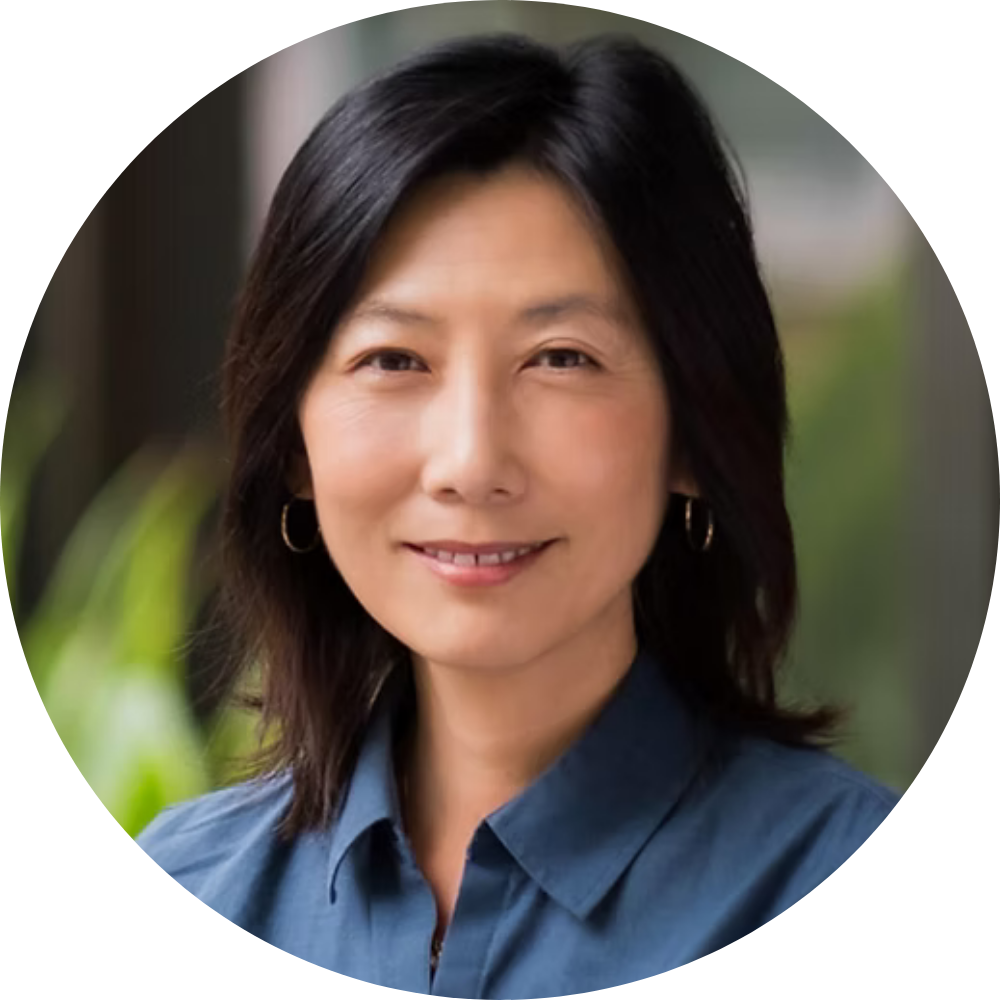
— Renée Boynton-Jarrett, Founding Executive Director

A Year of Collective Momentum

Our impact in 2025 reflect the power of investing in community leadership and shared infrastructure to advance collective wellbeing. Across fellowships, research networks, and civic engagement initiatives, 92% of members reported feeling empowered to co-create and guide decision making within the Village, while 90% shared that Vital Village Networks strengthened their leadership and advocacy pathways. Villagers described meaningful shifts in practice, with 92% reporting stronger engagement with families and children and 96% expanding wellness and self-care practices within their organizations as a result of their involvement with the Network.

Through ongoing learning communities, participatory research, and shared platforms that align leaders across sectors, the network continued to cultivate collaboration and collective action. Eighty-seven percent reporting expanded social networks and increased access to resources through the Network that support child wellbeing. Beyond individual growth, these efforts strengthened a broader ecosystem where leaders, coalitions, and organizations work side by side to shape more equitable systems for families.

In the pages ahead, you will see how this collective work continues to grow through the voices, partnerships, and shared leadership that define Vital Village Networks’ impact. Together, these efforts reflect a growing movement sustained by relationships, shared leadership, and investment in local knowledge. The stories in this report highlight how collective action across communities, sectors, and generations is building community power, expanding leadership pathways, and shaping more equitable systems where children and families can thrive.

95 Fellows Engaged in Leadership Programs

Over 50% Fellows took on Expanded Leadership Roles

4,000 +

Hours of Service Learning

7,470

Network Members Nationwide

17% Growth Over 2 Years

259

Meetings, Events,
& Forums

Engaging 3,130 leaders and supported by 717 co-hosts, facilitators, partners

6,300 +

Volunteer Hours

510 Civic Leaders Engaged

155

Scholars in Community Leadership & Workforce Development Pathways

Behind every number is a leader, a family, a collaborative group, and a community shaping a more connected and equitable future. Across Vital Village Networks in2025, members reported increased confidence as leaders, deeper cross-sector collaboration, and meaningful progress toward community-driven change. These metrics illustrate how ongoing learning, shared tools, and collective leadership opportunities within spaces that nourish belonging are strengthening pathways for children, families, and communities to thrive.

Explore the Report

Pathways to Collective Power

Transforming Systems through Community-Led Action Coalitions & Campaigns

Community-Driven Data, Research, & Shared Learning

Nurturing Grassroots Leaders

Pathways to Collective Power

Reckoning with History, Shaping the Future

In February 2025, fellows from the National Birth Justice Fellowship and the Community Food Systems Fellowship came together in Montgomery, Alabama for a shared pilgrimage to learn, reflect, and build relationships. Through intentional experiences with the Mothers of Gynecology Sculpture Park and the Legacy Museum, participants explored the historical roots of injustice while imagining new pathways for community-led innovation and envisioning future horizons for leadership.

This gathering created space for fellows across sectors to deepen connections, design the year ahead, and engage in conversations that connect history, healing, and collective action. The videos below offer a glimpse into this powerful moment of learning together and the ways fellows are carrying these lessons forward into their work and communities.

Pilgrimage to Montgomery, Alabama
Community Food Systems Fellowship

Vital Village Networks Community Food Systems Fellowship, a national leadership program advancing food sovereignty and local food systems transformation, proudly supported its fourth annual cohort in 2025, bringing together 11 emerging leaders advancing equity through community-driven food justice initiatives across the U.S. The fellowship is made possible through generous funding from the Robert Wood Johnson Foundation.

"Food justice is not a one-size-fits-all solution, it requires listening, cultural understanding, and collaboration across sectors. I also learned the power of relationships in advancing meaningful, lasting change."
– Truphena Choti, 2024 Fellow

A glimpse into the depth of the experience in found in evaluation data. Fellows documented concrete and innovative contributions during the year: more than $65,000 in locally grown food gifted to Black families, a community tree garden launched in Flatbush Brooklyn, a Community Supported Agriculture (CSA) program in Jackson, Mississippi that fed families who lost SNAP benefits while creating a winter market for Black farmers, and the launch of the Balozi Food stories and Community Voice Initiative in Silver Springs, Maryland, training community members as storytellers around food access and culture.

100 %

rated the fellowship as directly impactful on their community food systems work

88 %

reported impact on practices within their organization or coalition

5 / 5

Growth in narrative change and storytelling skills were rated the highest possible by every fellow

A unique hallmark of the fellowship is a collective project that each cohort co-creates to contribute to the broader food justice movement. The 2024 cohort, whose 18-month fellowship concluded in June 2025, advanced this work in two ways. In response to federal cuts to food, environmental, and racial justice initiatives, fellows developed a shared resource pooling model to support one another’s programs and build long-term, solidarity-based funding structures. They also worked together to learn and exchange best practices in multimedia storytelling, building their capacity to document their innovation pilot projects and the communities they serve.


Some fellows then created multimedia projects to document their innovation pilots. Carmen Alcantara’s film, The Roots We Share, is one of these stories.

The Roots We Share
Carmen Alcantara, 2024 Cohort Fellow

From her grandmother’s garden in Central Mexico to a community growing space in her own neighborhood, Carmen’s work brings food, memory, and community together. Her film reflects what the fellowship is designed to nurture: leadership grounded in culture, connection, and collective care.

Community Food Systems Alumni Network - From Fellowship to Movement

The Community Food Systems Alumni Network continues to grow as a dynamic model where fellows deepen relationships, strengthen advocacy, and turn shared learning into collective action. Rather than ending with a fellowship cohort period, alumni remain connected in the network through leadership roles, mentorship, and co-stewardship, shaping a space where grassroots food systems leaders support one another across regions and generations.

Alumni stepped forward as co-stewards and in 2025 launched a series of engagements to guide learning and action hubs that mobilized leaders around shared priorities in food justice and community led development. Through liberatory design processes, co-stewards helped transform the alumni network into a space for strategy, experimentation, and sustained collaboration. One outcome was the development of a Community Benefits visual toolkit, supporting leaders in advancing equitable development and strengthening community power.

Resource Share

An example of one of the Co-Steward’s initiatives was a visual guide toolkit for leaders advancing food justice and community-led development. The Community Benefits resource is a legal tool that aims to elucidate how Community Benefit Agreements and Community Benefits Plans deliver equitable outcomes from development and public investment. It can also be utilized for building community power, accountability, and justice.

Connection across the network continued to expand through storytelling and policy engagement. Quarterly newsletters and the launch of the Policy Pulse series responded to alumni calls for stronger advocacy tools, equipping leaders with timely insights to navigate shifting food and agriculture policies and engage decision makers.

“The Alumni Network brings unique ideas, skills, and strengths together to create frameworks and strategies, just like the beauty of gumbo.”
- Brother Truth, Co-Steward 2024-25

Connected through Communication

The Alumni Network remains connected through quarterly Community Food Systems Fellowship newsletters that feature fellowship updates, resources, opportunities, and spotlights and the new Policy Pulse series. The launch of the Policy Pulse series responded to alumni calls for stronger advocacy tools, equipping leaders with timely insights to

navigate shifting food and agriculture policies and engage decision makers.

Together, these efforts reflect a shift from fellowship to field building, where alumni are not only staying connected, but actively shaping the future of community led food systems.

Advancing Visionary Leadership for Birth Justice

Made possible through the support of the Wagner Foundation, the National Birth Justice Fellowship is a learning community supporting leaders who are reimagining systems of care through culturally affirming, community-led approaches. The inaugural cohort of fellows engaged in collaborative learning, reflection, and project development to strengthen birth justice education, deepen cross sector partnerships, and advance dignity-centered care.

Over the course of the year, fellows translated learning into action. Across the cohort, leaders secured funding, launched and expanded community programs, premiered original documentary work, founded new organizations, and deepened cross-border partnerships.  Fellows also supported one another directly, mentoring peers, sharing resources, professional networks, and culturally sacred birthing practices, and convening independently both in person and virtually, demonstrating the ripple effects of shared leadership the fellowship is designed to foster.

Early evaluation findings reflect strong momentum.  Eight-eight percent of fellows report significant progress toward their goals and 100% connect their leadership growth to the fellowship experience. These outcomes point to a model that strengths both individual leadership and collective capacity.

Fellows described the space as one where relationships, intentional learning, and shared visioning foster both personal transformation and collective action:

"The connections, the intentionality, the safe space to show up and dream and vision together have been beyond incredible. I've learned so much about myself, expanded my skillset, and have done a lot of introspection based on what I have learned."
- National Birth Justice Fellow

Through co-design, storytelling, and community engagement, the fellowship continues to nurture leaders who are expanding pathways for birth justice in their communities and beyond.

100 %

connect leadership growth this past year to the fellowship

86 %

reported growth in community engagement and co-design

88 %

Report the fellowship has supported progress towards goals significantly

STRIVE Learning Community Fellowship

This year we launched the inaugural STRIVE Learning Community Fellowship in partnership with Boston Pre-K. Ten educators and administrators from community-based programs, family childcare settings, and independent schools across Chinatown, Dorchester, Roxbury, Hyde Park, Roslindale, and the South End completed this five-month program with perfect attendance. The fellowship builds upon participants' existing strengths while expanding their capacity to address trauma and create safe, equitable, and inclusive learning environments for all children.

Pre- and post-survey data revealed strong, measurable gains across all areas of trauma-informed practice, including self-efficacy, collective efficacy, leadership, and implementation. These results demonstrate meaningful growth in fellows' capacity to support children experiencing trauma. Fellows reported that the experience strengthened their sense of belonging, built their confidence to lead trauma-informed conversations in their programs, and equipped them with real, sustainable tools for supporting children and families. Each fellow completed a capstone project applying trauma-informed and diversity-informed practices at their own site, with many already implementing these projects in their classrooms.

90 %

Built New Professional Networks

+25

Average Increase in Educator Practice & Leadership Scores

+1.7

Increase in Implementation of Trauma-Informed Practices
(On a scale of 1-6)

The STRIVE Fellowship demonstrates measurable, statistically significant improvements in educator practice, leadership, and systems capacity, with a large effect size (2.42) indicating meaningful gains in how educators apply trauma-informed practices in their work.

"Participating in the STRIVE Learning Community Fellowship has deeply influenced my approach to teaching, leadership, and trauma-informed care in transformative ways. One of the most impactful takeaways was learning how to center relationships and resilience in all aspects of classroom practice. I became more intentional about building authentic, trusting connections with children and families—seeing behavior not as a challenge to fix, but as communication to understand.​

The fellowship also deepened my understanding of reflective practice. I now regularly createspace for my team and myself to pause, assess what’s working, and recognize the emotionalundercurrents in our classrooms. This shift has helped me become a more compassionate and grounded leader—one who models vulnerability, prioritizes wellness, and fosters a culture of psychological safety.

​In terms of trauma-informed care, STRIVE helped me move beyond theory into actionablestrategies. I became more skilled in recognizing triggers and stress responses, and I learned how to co-regulate with children in ways that support their nervous systems and restore a sense of safety. From implementing calming spaces to adjusting expectations with empathy, my practices are more responsive and rooted in the understanding that healing happens in safe relationships.​

Ultimately, the STRIVE Fellowship has helped me lead with empathy, equity, and intention, and I carry those values with me every day—in the classroom, in staff meetings, and in conversations with families."


- Elizabeth Scott, Boston Outdoor Preschool Network @Franklin Park Zoo

This is how we build the village
Through breakfast and bomba
Ancestral libation and foundation
This is the medicine for soul level ache...
Reminding us that we are not broken
But we are bending into a new self
anchored in care and community
This is care of resistance

— Sunni Patterson, 2025

Gathering the Village: The 2025 National Community Leadership Summit
“Many summits are lectures and this one was not.”
– 2025 NCLS Attendee

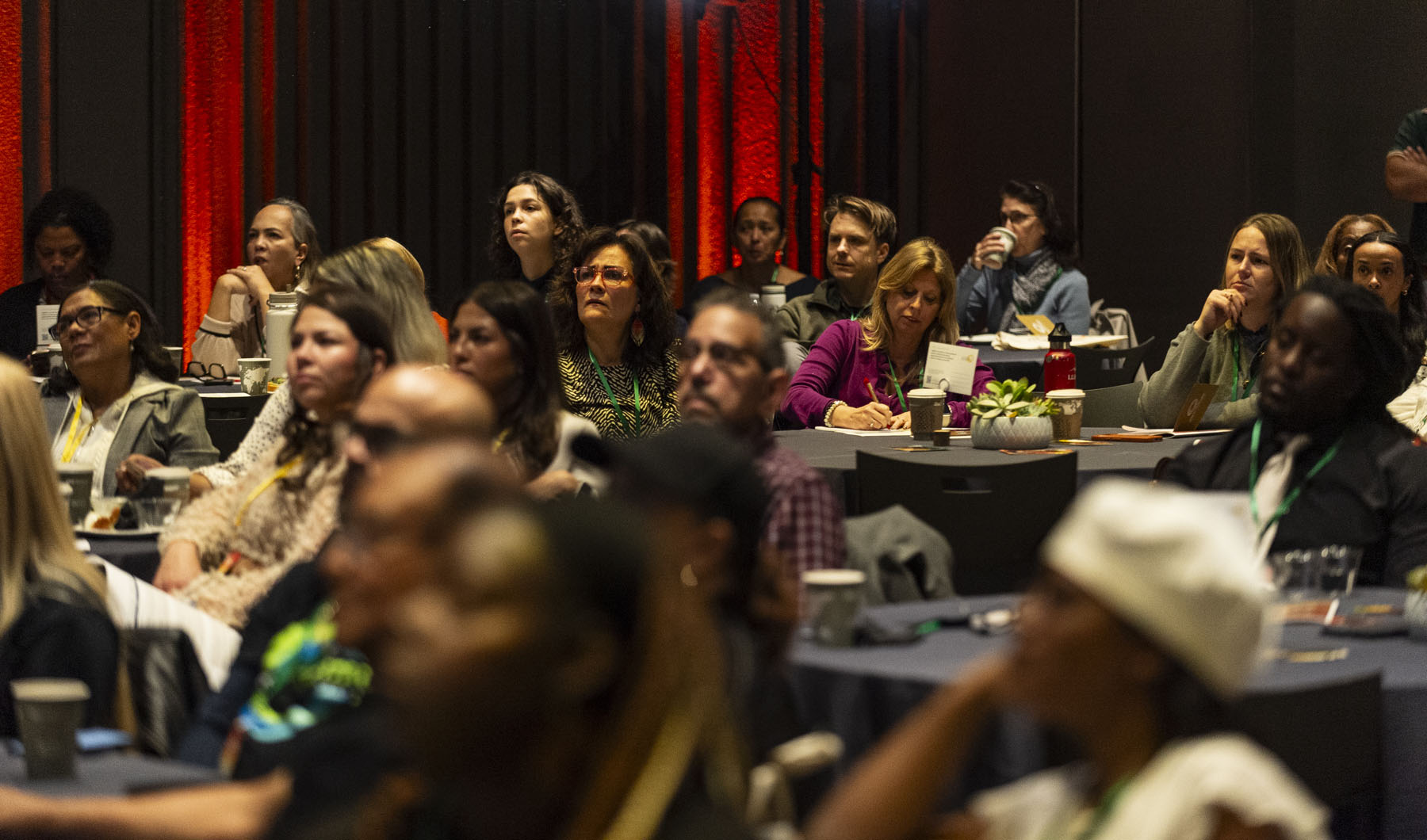
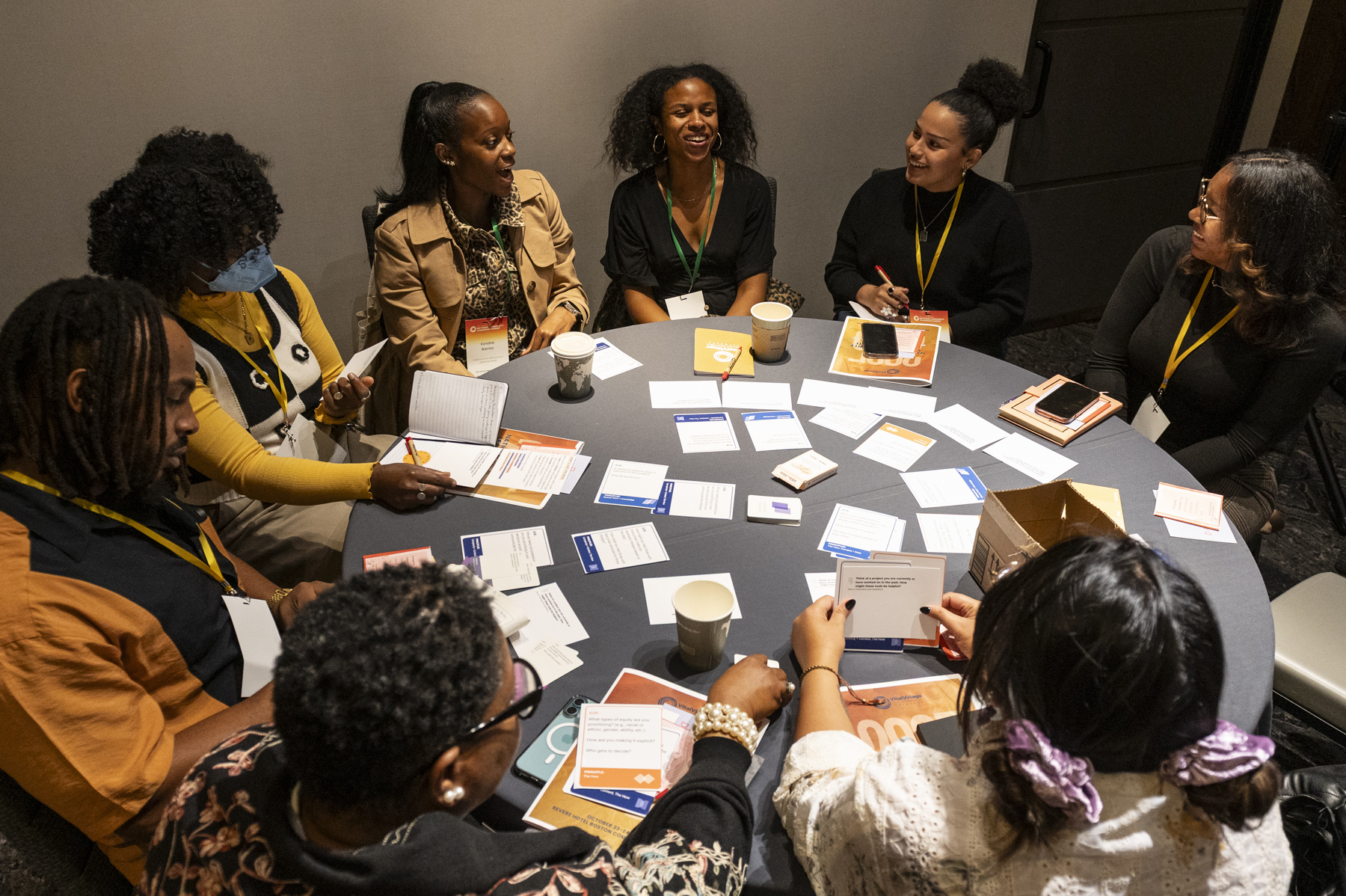
Now in its 12th year, the National Community Leadership Summit brought together 348 leaders, practitioners, advocates, educators, and caregivers in October 2025, a 7% increase from the year before. Themed Unwavering Resistance: An Invitation to Beloved Community, the summit drew participants from across the country representing 180 organizations, united by a shared commitment to building systems that center dignity, healing, and community-led change.

For the first time, the summit opened a call for community-led workshops and breakout sessions and the response was immediate. Practitioners, researchers, and advocates proposed and led sessions across four learning tracks: Education, Community Food Systems, Birth Justice, and Relational Health. This addition deepened the summit's long-standing commitment to making community expertise central.

"Every session at Vital Village was incredible. From the opening keynote to the closing reflection, I felt surrounded by people who are not only building programs, but truly building community and the possibility of a better future for all of us."
– Kanwal Haq

Across sessions and conversations, participants described the summit as a space that supported both learning and connection. Attendees highlighted the collaborative and interactive nature of the experience, as well as the opportunity to engage across sectors in ways that are not typically possible in more traditional conference settings.

The summit continues to grow as a space where people come together not only to learn, but to build relationships, share work, and take next steps toward collective action. It remains an important part of the network’s approach to strengthening leadership, supporting collaboration, and advancing community-driven systems change.

180

Organizations Represented
(largest number in the summits 12-year history)

40

Average # of Connections Per Participant

94 %

Reported Increased Understanding of Community Capacity Building
(up from 88% in 2024)

5

Planned Collaborations Identified on Average Per Participant

Uniting for Impact

Transforming Systems through Community-Led Action Coalitions & Campaigns

In 2025, Vital Village Networks advanced focused advocacy across affordable housing, birth equity, food and nutrition justice, and mental health and social emotional wellbeing, strengthening pathways for policies that center dignity, cultural affirmation, and community leadership.

Affordable Housing

Championing stable, dignified housing as a foundation for family and child wellbeing and community leadership in defining affordable, safe and secure housing

Birth Equity and Justice

Promoting access to midwifery, doula care, and culturally affirming services and dignity-centered care

Food and Nutrition Justice

Advocating for equitable, community-led food systems

Mental Health and Social-Emotional Wellbeing

Advancing trauma-informed, healing-centered policies

Massachusetts Birth Justice Leadership Roundtable: Building a Statewide Vision for Collective Action

Vital Village convened leaders from across the Commonwealth to launch the Massachusetts Birth Justice Leadership Roundtable, beginning with a multi-day retreat designed to co-create a shared statewide strategy for birth justice. The gathering brought together community leaders, clinicians, advocates, coalition partners, and policymakers to deepen relationships, align priorities, and imagine new pathways for collaboration grounded in dignity centered care.
Participants described the retreat as a space for restoration, reflection, and meaningful co-design.

“Time and space to focus on birth justice, surrounded by a diverse group of visionaries, leaders, and doers, created the conditions for real collaboration and cross pollination.”

— MA Birth Justice Leadership Roundtable Participant

Evaluation findings reflected this strong momentum, with 93% reporting the retreat was very effective in building shared understanding and direction, 100% affirming that statewide priorities were clarified, and 93% expressing strong interest in continued participation in the Roundtable.

Active working groups are launched to advance shared priorities through coordinated action over the year ahead. This evolving statewide effort reflects Vital Village Networks’ role in supporting leaders across sectors to move from dialogue toward aligned strategy and collective impact for families.

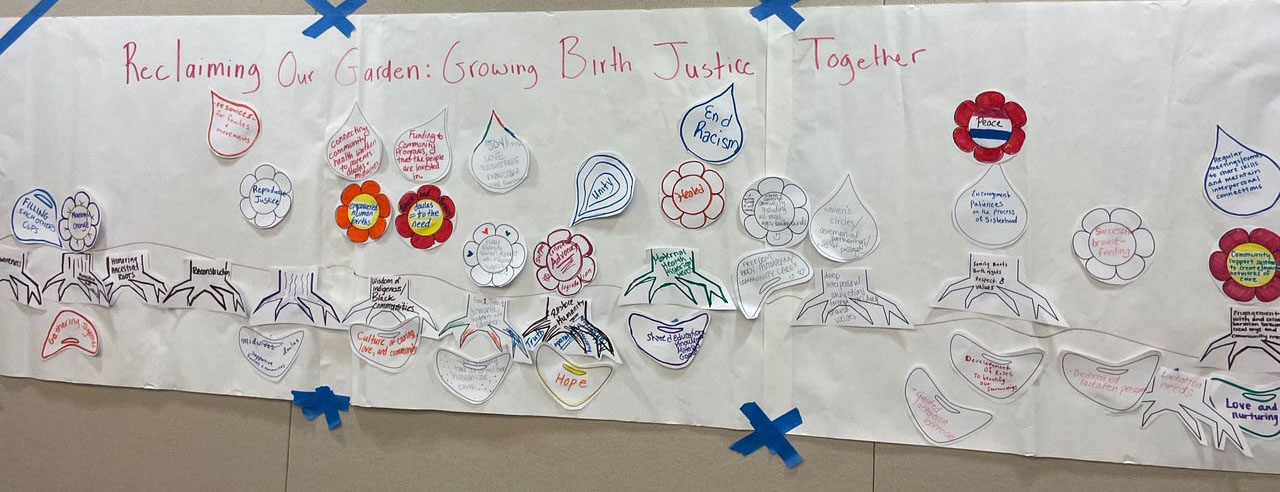
Reclaiming Our Garden

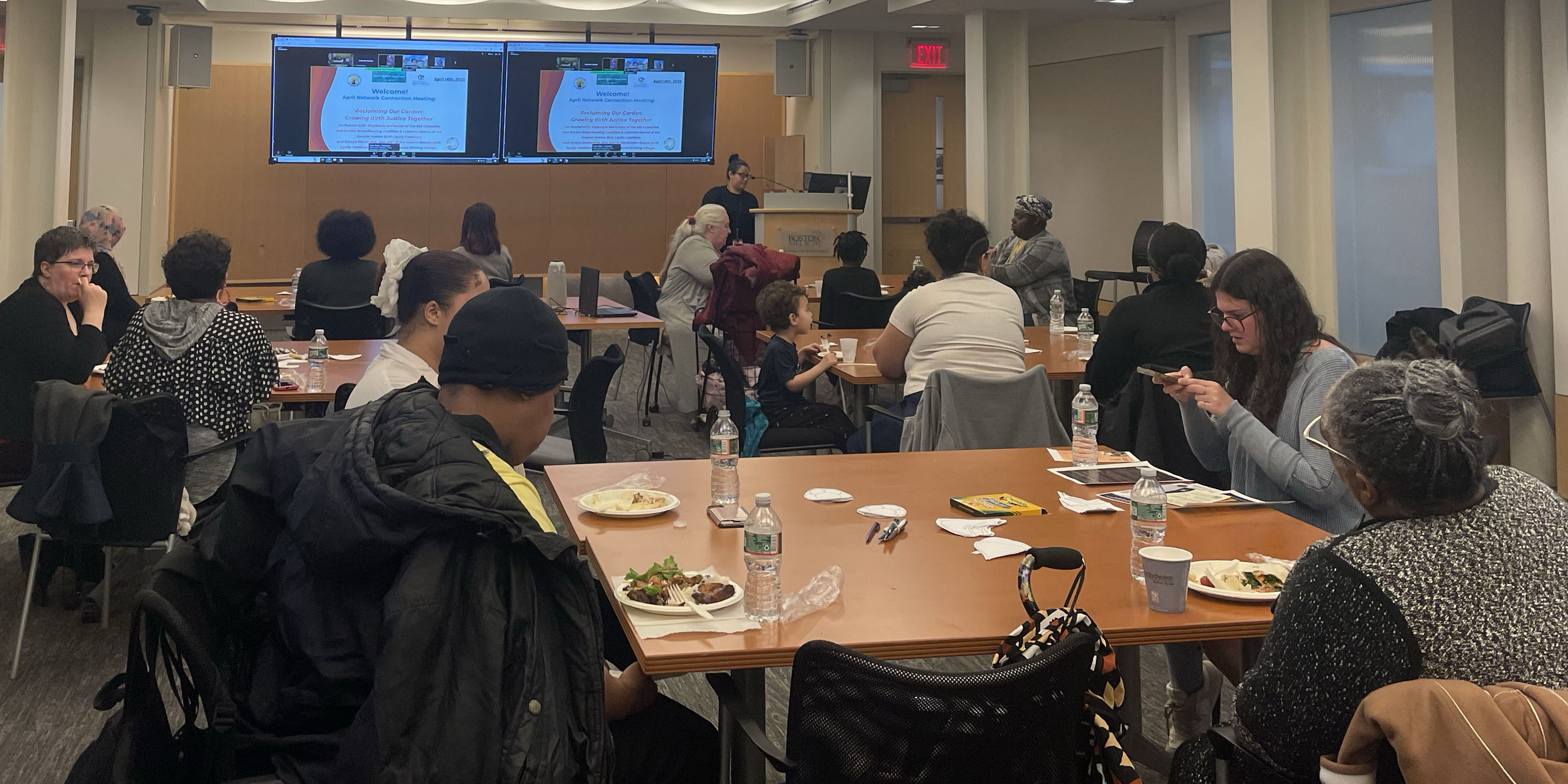
By convening leaders across sectors and lived experiences, Vital Village Networks nurtures environments where collaboration deepens, shared vision emerges, and collective action takes root. During Black Maternal Health Month, Vital Village Networks and partners convened a hybrid gathering that brought together birth workers, families, elders, and advocates to reflect on birth equity as a shared ecosystem.

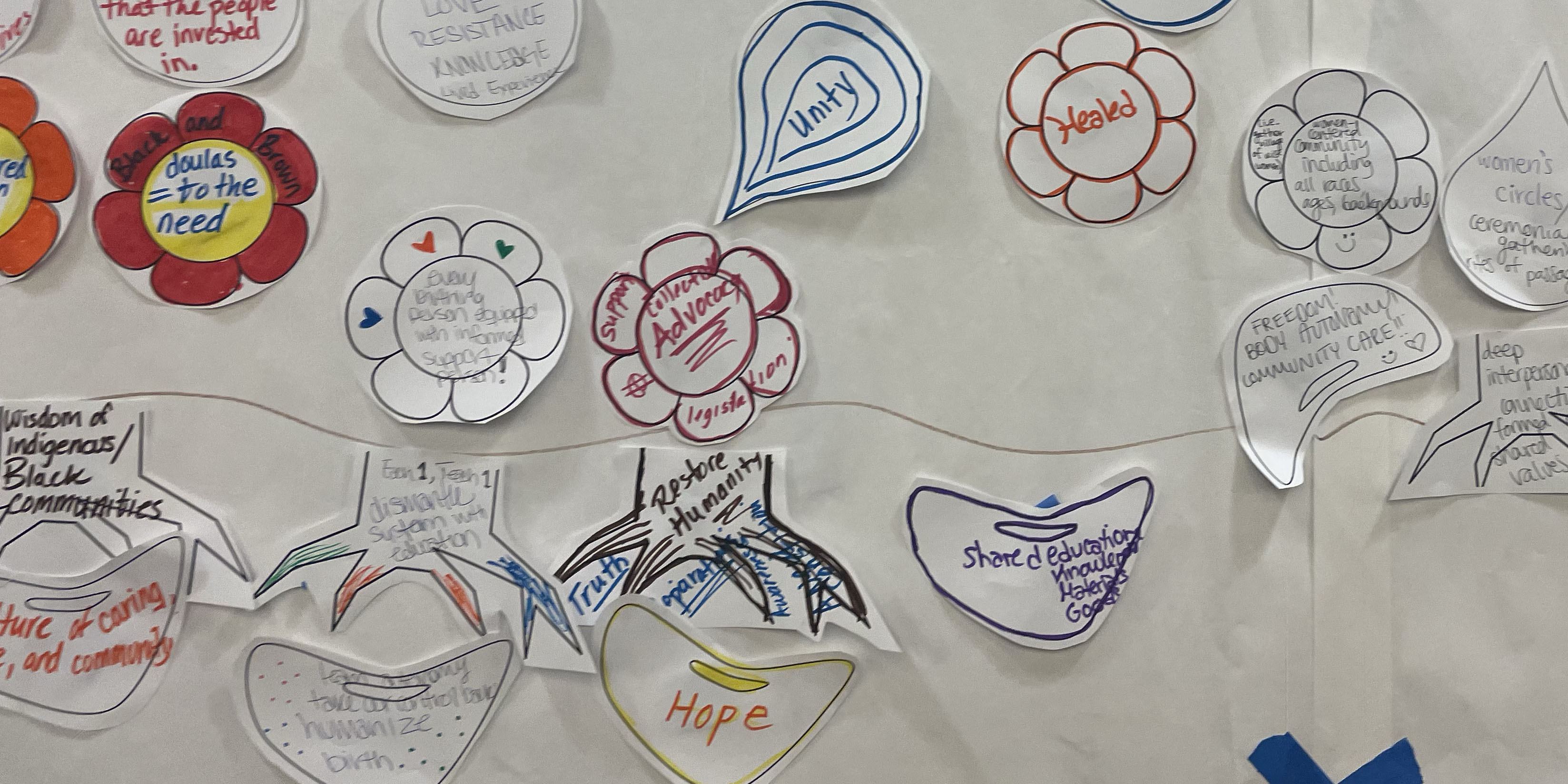
Held in collaboration with partners from the Boston Breastfeeding Coalition, the BEE Collective, Sacred Birthing Village, and the Greater Boston Birth Equity Coalition, the hybrid gathering brought together 79 community members including, birth workers, advocates, elders, and children and language justice interpretation was provided in both Spanish and Haitian Creole. Participants explored how honoring ancestral wisdom, expanding access to culturally affirming care, and investing in community rooted solutions can strengthen collective pathways toward dignity centered maternal health. Themes woven throughout the garden centered on honoring ancestral wisdom through care for our children, protecting and supporting mothers with access to doulas who reflect their lived experiences, strengthening community knowledge of birth options, and ensuring funding flows to programs rooted in and accountable to the community.

This gathering highlighted that meaningful impact is created through the conditions we nurture together, spaces rooted in care, connection, and collective responsibility.

Advocacy and Community Leadership Workshop Series

The Networks of Opportunity for Child Wellbeing (NOW) Peer Learning Cluster (PLC) continues to evolve as a peer-led space for advocacy, learning, and collective leadership. Guided by a collaborative co design process, the PLC co-leadership team shaped an Advocacy and Community Leadership Workshop Series centering member voice and shared priorities. Over the past two years, these sessions have generated more than 300 hours of leadership development focused on healing centered advocacy, mutual aid, reflective practice, and family leadership. This series of workshops is strengthening a growing network of leaders advancing more just systems for children and families.

Rooted in Connection, Rising in Power

Rooted in Connection, Rising in Power was the thematic catalyst for NOW’s 7th annual webinar series. This year’s series featured leaders from across the country who are meeting the critical moment we are in by uplifting community interdependence and championing collective liberation. The three-part series dug into critical and timely topics and shared practical strategies for how we can each “meet the moment” and bring the just future we dream of into existence.

In the Arena with NOW Podcast – A Milestone Third Season

Featuring a CEO of a youth organization, pediatricians and community health care teams, and futurist Mia Birdsong, the second half of Season 3 of In the Arena with NOW, drove home the transformative community power we can harness when we lean into our interconnected presents, pasts and futures.  To date, In the Arena with NOW has had over 3,800 all time downloads across 63 countries.

Podcast

In Episode 7 of In The Arena with NOW, we visited the community of Travis County, Texas and heard from pediatrician Dr. Michelle Gallas, who is also a member of the GRO.W.V.Baby Steering Committee, who reflected on how we can sustain our power and motivation for persistence by finding our people. Learn more about the concept of Convivencia - coliving - in promoting individual and community health and wellbeing through group well-child visits.

Boston Breastfeeding Coalition Scholars Programs - Expanding Pathways for Community Lactation Leadership

The Boston Breastfeeding Coalition is strengthening equitable access to breastfeeding support by investing in a diverse, community-based lactation workforce. Through targeted training and mentorship, we create clear pathways for local leaders to become skilled lactation support professionals while expanding culturally responsive care for families.

Strengthening the Workforce

Nearly 40 scholars engaged in service learning and leadership pathways in 2025. Twenty-one scholars completed the ROSE Community Transformer Training, followed by six months of peer service at community lactation groups. Continuing education credits (CERPS) were secured for ROSE training, expanding access to recognized professional development.

Advancing Representation and Language Justice

The program continued to build a diverse lactation workforce, with approximately 70 percent of ROSE scholars and over 80 percent of LER scholars identifying as people of color and representing multiple Greater Boston communities and languages including Spanish, Portuguese, Cape Verdean, and Haitian Creole.

Learning and Peer Mentorship in Action

An 11-week Lactation Education Resources cohort supported 12 scholars, guided by five alumni mentors who modeled peer leadership and shared growth across the network.

New IBCLC Pathway Launch

A new IBCLC cohort welcomed eight emerging leaders, expanding Vital Village Networks’ role as an IBCLC Accredited Pathway 1 site and strengthening long term pathways toward advanced lactation certification.

Scholars Spotlight
Euness Cirino, LER Scholar

Building Bridges Through Empathy and Advocacy: Alecia’s Work in Lactation Support and Health Equity

Alecia Lee, ROSE & LER Scholar

Supporting Breastfeeding Families from the Heart of the Community

Vital Village Community Partnership (VVCP): Community Leadership in Action

In 2025, Vital Village Community Partners secured its first independent grant from the Mabel Louise Riley Foundation, supporting resident led wellness workshops that brought healing centered practices into the community. VVCP members hosted culturally responsive wellness events, strengthened relationships across the network, and continued to model peer led leadership and advocacy. These gatherings reflected VVCP’s growing leadership and demonstrated the power of peer led spaces to foster connection, wellbeing, and collective care.

Strengthening Culture, Connection, and Care

Children’s Mental Health Storytimes continued to grow as a vibrant space where families gather to nurture emotional wellbeing through storytelling, music, and shared reflection. In partnership with the Boston Public Library and community leaders, Haitian Creole storytimes at the Codman Square branch created culturally affirming spaces that welcomed families across generations, while recorded sessions extended the program’s reach far beyond the library walls.

Haitian-Creole Storytime

Building on this momentum, Vital Village Networks launched a new CONNECTED Father Child Storytimes series, supported by the Children’s Trust, creating intentional spaces for fathers and children to learn, play, and grow together. Through arts-based activities, conversation, and relational learning, the series centered fathers’ voices while strengthening caregiver child bonds. Across in person and virtual gatherings hosted by multiple library branches, the program continues to reimagine early childhood engagement as a pathway for healing, belonging, and community connection.

Family Engagement and Intergenerational Wellness

Community members and partners came together to explore caregiver wellbeing through reflection, learning, and shared connection. Co-hosted with Boston Pre K, Countdown to Kindergarten, Child Witness to Violence Project, and STRIVE, the gathering featured a workshop on stress and self-care alongside a participatory activity led by Daisy Stanley, a scholar in the Certificate in Community Advocacy and Leadership Certificate Program, Early Childhood Family Council Member and C2K Parent Partner, who brings valuable lived experience to this work. Small group conversations and collective reflection led to the creation of a shared Wellness Toolbox, offering practical strategies to support families and strengthen intergenerational resilience.

Greater Boston Birth Equity Coalition - Advancing Collective Leadership for Birth Justice

The Greater Boston Birth Equity Coalition continues to grow as a collaborative force bringing together community leaders, clinicians, advocates, and families to advance dignity centered care and equitable maternal health across the region. Through shared leadership and coordinated action, the coalition is strengthening pathways that center cultural affirmation, collective wellbeing, and community voice in shaping the future of birth justice.

Growing a Connected Network

Coalition partners deepened collaboration through regular coalition meetings, strategic alignment with partner organizations and initiatives, and community centered events that engaged families and birth workers across Greater Boston. These spaces supported learning, relationship building, and shared action across sectors.

Shifting Narratives and Amplifying Resources

Ongoing communications, including a dynamic newsletter and community outreach efforts, elevated local resources, celebrated grassroots leadership, and strengthened a shared narrative grounded in dignity and equity. Work also continued to develop a centralized resource directory designed to connect families with culturally affirming supports.

Strengthening Leadership and Strategy

The coalition’s servant leadership model continued to evolve, with expanded roles and deeper collaboration guiding implementation of a long-term regional strategy for birth justice. Coalition meetings and planning spaces helped align priorities and sustain momentum toward systemic change.

Building Sustainable Infrastructure

A significant milestone in 2025 included the initiation of dedicated funding through a multi-year grant from the Boston Foundation, supporting the coalition’s growth, coordination, and long term sustainability.

Certificate in Community Advocacy and Leadership
2024 – 2025 Certificate Scholars

The Certificate in Community Advocacy and Leadership is one of the most direct ways Vital Village Networks invests in building leadership from within communities. Offered in partnership with Urban College of Boston, this 10-credit program equips community leaders across Greater Boston with the tools, relationships, and confidence to mobilize collective action.

In 2024–2025, thirteen scholars completed the certificate program. Through GRASP advocacy projects, externships, and public presentations, scholars built practical skills while forming connections spanning legal aid organizations, housing advocacy groups, health institutions, and city government. Many continued collaborating beyond the classroom, including presenting their work at the 2025 Vital Village Networks Leadership Summit. One graduate transferred nine certificate credits into an associate degree program in Human Services at Urban College, demonstrating the program's capacity to open pathways to continued education and career advancement.

"Taking this class was truly a blessing. I learned about the importance of advocacy for my community and gained new confidence walking in leadership."
— 2025 Certificate Graduate

When ICE enforcement actions deeply unsettled the East Boston community, graduate Zaida Adames drew directly on the advocacy framework and community leadership skills she built through the certificate. She organized a healing circle and call to action that brought together local residents, organizations, State Representative Madaro, Mayor Wu, and city councilors to collaboratively seek solutions to protect the safety and human rights of immigrant families. What began as a GRASP project became a catalyst for cross-sector collaboration that sustained protective efforts for East Boston immigrants throughout 2025. A second group of graduates, Daisy Stanley, Olevia Roofe, and Dominique Bellagarde launched a CORI Friendly Job Fair in Dorchester, connecting returning citizens with inclusive employers and peer support. These are direct examples of what the certificate is designed to nurture: a community leader who can mobilize across sectors and drive lasting change.

2 x

Growth in GRASP Advocacy Skills

86 %

Externship Supervisors Reported Meaningful Organizational Value

57 %

Invited Into New Leadership Opportunities

"The program's emphasis on perseverance and the ripple effect of individual actions has resonated deeply. The skills and insights gained have not only strengthened my leadership abilities but also instilled a heightened sense of responsibility towards my community."
— Zaida Adames, 2025 Certificate Graduate

Reclaiming the Narrative

Community-Driven Data, Research, & Shared Learning

Vital Village Networks continues to transform how data is created, shared, and mobilized by centering community leadership, lived experience, and collective responsibility in storytelling and systems change. In 2025, our work expanded from data collection toward coordinated action, strengthening pathways for advocacy, participatory research, and regional collaboration through shared technology, learning spaces, and leadership development. Across initiatives, communities used data not only to understand inequities but to align strategy, amplify voice, and shape more equitable futures together.

GRO.W.V.Baby & Family Research Network

In 2025, the GRO.W.V.Baby and Family Research Network deepened national momentum around group wellness visits for babies and families. Through relational health focused workshops, shared leadership committees, and expanding scholarship, the network created space for clinicians, researchers, and community leaders to shape a more connected vision for dyad centered care. The launch of the first Relational Health Track at the National Community Leadership Summit marked an important milestone, bringing this work into a broader learning ecosystem and elevating relationship centered approaches within pediatric and family health innovation. These collective efforts laid the groundwork for deeper collaboration across clinical, research, and community settings while advancing a shared language and framework for group care models. Dedicated funding secured this year also enabled the launch of the Massachusetts Dyad Group Care Learning Collaborative, translating national vision into coordinated clinical implementation and research across multiple community health settings.

Relational Care in Action
Lessons from Alameda County

At the June 2025 GROWBABY Research Roundtable Seminar, national leaders shared how Centering Pregnancy and Parenting programs in Alameda County are evolving through culturally grounded innovation, including Beloved Birth Black Centering and a Spanish language transformation project that reimagines dyad care from pregnancy through early childhood.

Member Spotlight
Joan Jeung

GRO.W.V.BABY member Joan Jeung brings visionary leadership to advancing relational, culturally responsive group care models. Her work reflects a deep commitment to integrating creativity, equity, and community wisdom into the future of group wellness visits for babies and families.

Massachusetts Dyad Group Care Learning Collaborative

The Massachusetts Dyad Group Care Learning Collaborative brings together five clinical sites to strengthen relational, family centered well child care through dyad group care models that support both caregivers and infants. Participating teams engage in shared learning activities including collaborative huddles, coaching sessions, participatory research roundtables, and continuous quality improvement cycles to test implementation strategies and expand access to group care within community health settings. By learning side by side, clinics are building sustainable pathways for culturally responsive care while bridging national research leadership with local clinical innovation to advance equitable postpartum and early childhood care across Massachusetts.

Community Data Workgroup & Ambassadors

The Community Data Workgroup deepened its evolution from community-led data collection to coordinated resident-led advocacy to change narratives around affordable housing and centers the lived experience and solutions of community stakeholders. Building on insights from the Community Housing Assessment, ambassadors partnered with community-based organizations to share findings, align strategy, and support education and advocacy sessions at the State House focused on housing affordability, safety, and health.

The ambassador model continued to grow, welcoming three new leaders while experienced ambassadors remained engaged as mentors and organizers, strengthening continuity across the network. Together, the group advanced a collaborative campaign that demonstrates how community driven data can move beyond research to inform policy dialogue, collective action, and sustained systems change across Greater Boston.

Data Storytelling Workshop Series & Coordinated Civic Engagement

The Data Storytelling Workshop Series also continued to grow as a space for community leadership and learning. The 2025 series welcomed alumni Cassandra Loftlin and Katia Powell-Laurent as co-faculty alongside Arvind Pawar, reflecting an evolving model that centers peer leadership and lived expertise. Sessions explored data visualization, mapping, and participatory evaluation, while introducing a new theme on the ethical use of artificial intelligence as an emerging dimension of community driven data practice.

Vital Village Networks also expanded its data storytelling work beyond skill-building to strengthen coordinated family engagement across Greater Boston. In partnership with the Boston Opportunity Agenda (BOA) Family Engagement Subcommittee, the Network supported the use of its shared civic engagement platform to align and disseminate leadership, volunteer, and civic service opportunities for families. Seven partner organizations created accounts and began posting opportunities, helping to streamline outreach and reduce fragmentation across initiatives while demonstrating how shared technology infrastructure can deepen regional collaboration and access.

Together, these initiatives highlight how the Network is strengthening shared tools, leadership pathways, and storytelling practices that enable communities to use data not only to understand challenges, but to coordinate action and shape collective solutions.

Looking Ahead

The experiences of 2025 reaffirmed that Vital Village Networks continues to grow as a living ecosystem shaped by relationships, shared leadership, and a commitment to collective wellbeing.

Across fellowships, partnerships, and community initiatives, leaders strengthened connections that extend beyond individual programs and contribute to a broader vision for child and family health. This work reflects an ongoing journey of learning, adaptation, and collaboration, guided by the belief that lasting change emerges when communities have the space, resources, shared tools, and trust to lead together.

Throughout the Network, storytelling, research, advocacy, and learning intersect to support community driven solutions. As the network continues to grow, shared infrastructure and participatory data practices are helping leaders move from insight to coordinated action across local and national contexts.

As the path ahead unfolds, several themes continue to guide our direction. Leaders are seeking spaces where knowledge can be shared openly and where new models of collaboration can take root. Communities are calling for sustained investment in leadership pathways that honor lived experience, while partners across sectors are recognizing the importance of shared infrastructure that supports civic engagement, research, and collective learning.

Looking toward the future, Vital Village Networks will continue to deepen partnerships, expand learning communities, and strengthen pathways for workforce development, policy engagement, and creative expression. The momentum built this year invites us to keep asking bold questions, to listen closely to one another, and to remain grounded in the relationships that make this work possible.

Every gathering, every fellowship, and every story shared reflects a collective commitment to nurturing environments where children, families, and communities can flourish. The journey continues, carried forward by the leaders, partners, and families who shape this network each day.

92 %

report feeling empowered to co-create and guide decision making within the Network

90 %

report Vital Village Networks significantly strengthened their leadership and advocacy pathways

87 %

report expanded social networks and increased access to resources supporting child wellbeing

Supporters, Thank You

Individuals

Anonymous
Dolores Acevedo-Garcia
Zaida Adames
Sandi Angotti
Alvanetta Alexander
Jennifer Bailey
Paula Benard
Nora Belcher
Janice Benson
Hilary Boynton
Madeline Boynton
Melissa Boynton
Renée Boynton-Jarrett
Chastity Brown
Eurnestine Brown
Tyeena Carter
Marie Celeste Condon
Jessie Colbert
Charle E. Cuneo
Soraya DosSantos
Nayomi Dowman
Femeika Elliott
Randi Ellingboe
Erica Everett
Altorice Frazier
Shantel Garner
Latoya Gayle
Melissa Golden
Juanita Grant
Pamela Gudino
Deysi Gutierrez
Julia Hadden
Kanwal Haq
Kanika Harris
Anthony Henderson
Tayla Kelly
Mieko Kamil
Lisa Kelleher
Cassandra Loftlin
Shamilia Lloyd
Saghi Malekanian
Alden Mitchell
Nakira Minot
Xavier Morales
Roberto N
Kim Nicoll
Jasmin Norford
Marisela Novoa
Ines Palmarin
Gabriela Ortega
Andria Palmer

Lisa Parks
George Pitchford
Andrins Renaudin
Geraldine Robinson
Vincente Sanbria
Sue Sherry
Benjamin and Jane Siegel
Anna Signor
She-Tara Smith
Lauren Smith
Joshua D Sparrow
Sonja Spears
Aditi Subramanian
Richard Susman
Anthony Valdez
Alyssa Valmas
Bilal Walker
Jenny Weaver
Josette Williams
Victoria Williams

Foundations

Anonymous
Black and Indigenous Resilience Fund
BlueCross BlueShield
Boston Children’s Hospital
Boston Opportunity Agenda
Children’s Trust
Colbert Family Charitable Fund
Eastern Bank Foundation
Foley Hoag Foundation
Fredrick J Lowery Foundation
Greater New Orleans Foundation
Hamilton Charitable Foundation
JB and MK Pritzker Family Foundation
Mabel Louise Riley Foundation
Nellie Mae Education Foundation
New Commonwealth Foundation
Robert Wood Johnson Foundation
The Boston Foundation
Wagner Foundation
Wilde Geese Foundation

Public Funds

Boston Public Health Commission
Commonwealth of Massachusetts Department of Public Health
GROW Boston
Boston Mayor’s Office

Annual Summit Table Sponsors & Scholarship Funders

Ariah Foundation
Boston Children’s Museum
Burke Foundation
Boston Public Schools Countdown to Kindergarten
Family Nurturing Center
First Teacher Boston
Give Black Alliance
Group Peer Support
Mass PPD Fund
NICHQ
The BUILD Initiative
The Red Sox Foundation
The Rollins Center
Zero To Three

Leadership

Executive Board:

Sonja Spears, Board President

Charles E Cuneo, Vice President

Benjamin Siegel, Treasurer

Josette Williams, Secretary

National Advisory Board:

Dolores Acevedo-Garcia, PhD

Felton Earls, MD

Lisa Fujie Parks

Xavier Morales, PhD, MRP

Ines Palmarin, MA

George Pitchford, JD

Adriana Raines

Jeri Robinson

Richard Sussman, PhD

Be a Part of the Movement

Stay Connected
Thank you! Your submission has been received!
Oops! Something went wrong while submitting the form.
Support Us